
Introduction
Managing time and staying organized has become more challenging in today’s fast digital world. People handle multiple responsibilities every day, including work projects, studies, personal goals, meetings, and important tasks. Without proper organization, it is easy to lose focus and spend more time on simple activities.
Productivity apps are designed to help users manage their tasks, organize information, improve , and complete work more efficiently. These tools provide digital solutions for planning schedules, tracking progress, managing projects, and building better work habits.
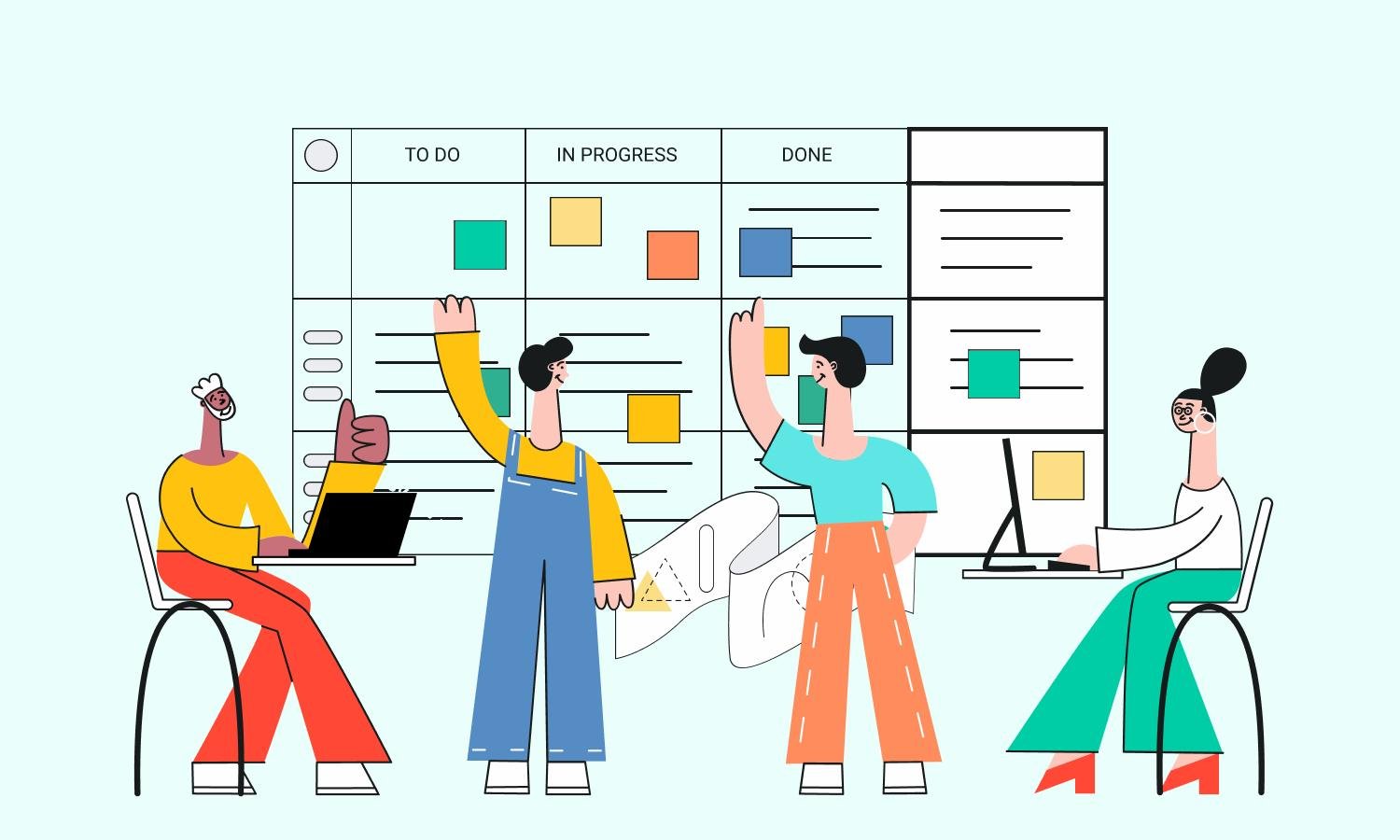
productivity applications have become more advanced with the help of artificial intelligence. Modern productivity tools can suggest better workflows, automate repetitive tasks, organize information, and help users achieve their goals with less effort.
Whether you are a student, professional, freelancer, or business owner, the right productivity app can improve your daily routine and help you make better use of your time.
What Are Productivity Apps?
Productivity apps are digital tools that help users organize their work, manage , and improve efficiency. These applications are designed to reduce confusion, save time, and provide better control over daily activities.
Unlike traditional notebooks or manual planning methods, productivity apps offer features such as reminders, calendars, collaboration tools, automation, and progress tracking.
People use productivity apps for many different purposes, including managing personal goals, organizing projects, creating schedules, and improving teamwork.
How Do Productivity Apps Work?
Productivity apps work by providing users with digital systems for managing information and tasks. They allow people to create lists, set deadlines, organize projects, and track completed work.
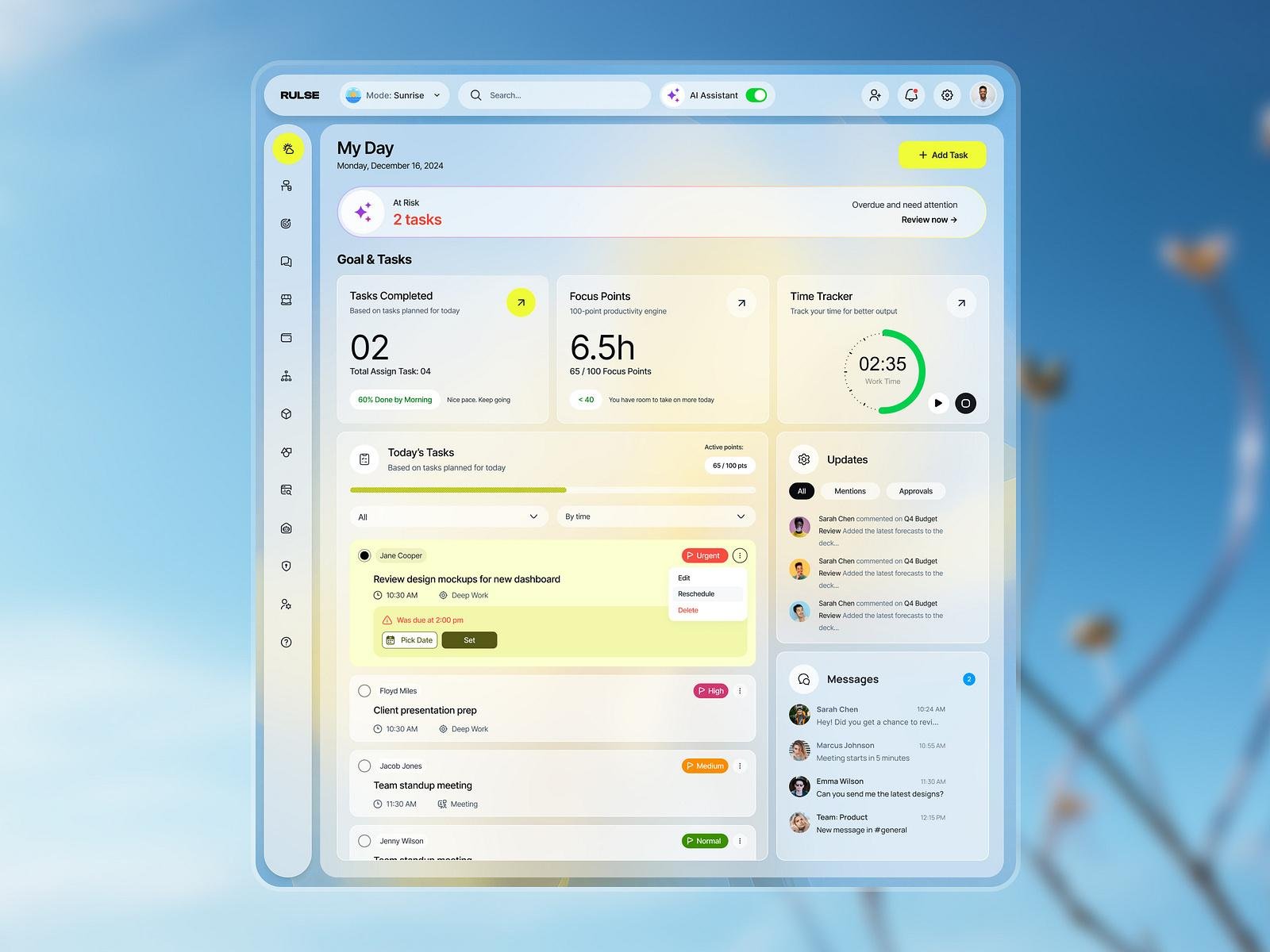
Many modern productivity apps also use artificial intelligence to analyze user behavior and provide recommendations. AI features can help prioritize tasks, generate summaries, and automate repetitive activities.
These features make productivity apps more useful because they do not just store information but actively help users work more efficiently.
Why Are Productivity Apps Important ?
The modern lifestyle involves handling more information and responsibilities than ever before. Many people struggle with managing time because of constant notifications, digital distractions, and increasing workloads.
Productivity apps provide structure by helping users organize their responsibilities in one place. They make it easier to focus on important tasks and avoid wasting time.
With remote work and online learning becoming common, productivity tools have become essential for maintaining organization and efficiency.
Best Productivity Apps
There are hundreds of productivity apps available today, but each one focuses on different needs. Some are designed for task management, while others focus on note-taking, teamwork, scheduling, or personal organization.

The best productivity app depends on your goals, working style, and the type of tasks you manage every day.
Notion
Notion is one of the most popular productivity platforms because it combines notes, task management, databases, calendars, and project organization in one place.
Users can create custom workspaces for personal planning, business projects, education, and content creation. Its flexible design allows people to organize information according to their own preferences.
Notion is especially useful for users who want an all-in-one productivity system instead of using multiple separate apps.
Todoist
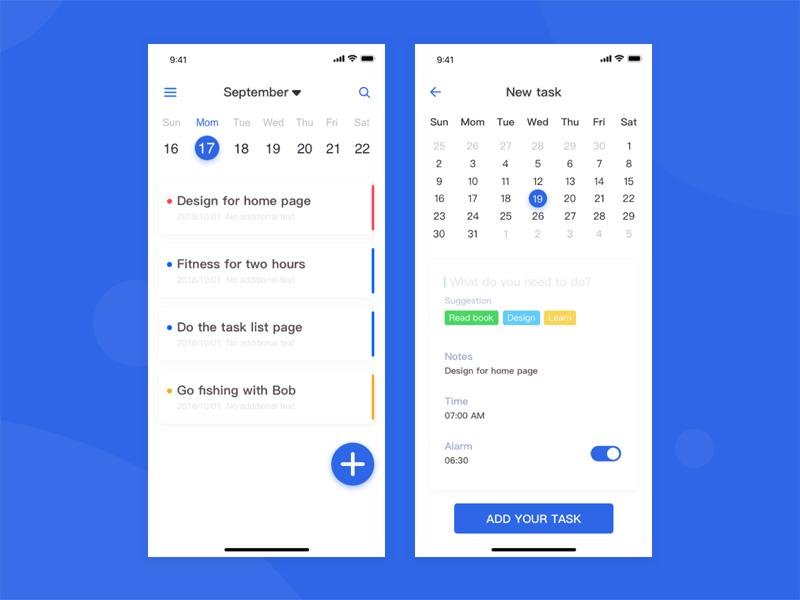
Todoist is a powerful task management application designed to help users organize daily responsibilities. It allows users to create tasks, set deadlines, add priorities, and track progress.
The simple interface makes it suitable for beginners who want an easy way to manage their daily activities.
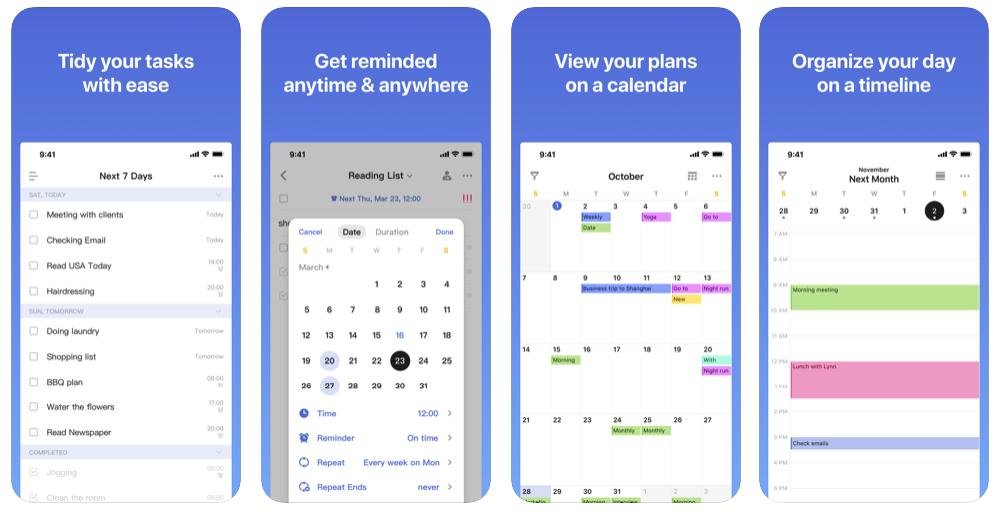
Professionals and students often use Todoist because it helps them stay focused and complete important tasks on time.
Microsoft OneNote
Microsoft OneNote is a digital note-taking application that helps users collect ideas, organize information, and manage notes.
It is useful for students, teachers, and professionals who need a place to store documents, research material, and personal ideas.
Its integration with other Microsoft tools makes it a convenient option for many users.
Trello
Trello is a project management tool that uses boards, lists, and cards to organize tasks visually.
It is commonly used by teams and businesses to manage projects, track progress, and improve collaboration.
The visual system makes it easier to understand project status and manage multiple tasks.
Google Calendar
Google Calendar is a widely used scheduling tool that helps users organize meetings, events, and daily activities.
It allows users to create reminders, manage appointments, and plan their time effectively.
The simple design and integration with other Google services make it a useful productivity solution.
Benefits of Using Productivity App
Productivity apps provide many advantages for people who want to improve organization and efficiency. They help users manage responsibilities and create better working habits.
These tools are valuable because they reduce mental stress and provide a clear structure for completing tasks.
Better Time Management
One of the biggest benefits of productivity apps is improved time management. Users can schedule tasks, set reminders, and organize their day more effectively.
Instead of trying to remember everything mentally, people can use digital tools to track responsibilities and deadlines.
This reduces the chance of forgetting important tasks and helps users focus on priorities.
Improved Organization
Productivity apps help organize information, documents, ideas, and projects in one place.
A well-organized digital workspace makes it easier to find important information quickly and reduces unnecessary confusion.
This is especially helpful for people managing multiple projects at the same time.
Increased Focus and Efficiency
Many productivity apps include features that help users reduce distractions and focus on important work.
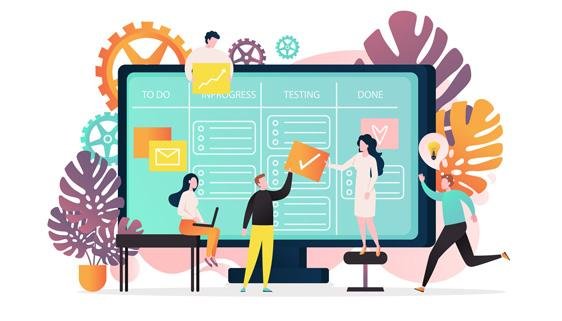
Task lists, progress tracking, and planning tools encourage better work habits and improve overall efficiency.
By creating a clear workflow, users can complete tasks faster and with better results.
How to Choose the Right Productivity App
Choosing the right productivity app depends on your personal needs and working style. A tool that works well for one person may not be suitable for another.
Before selecting an app, users should consider their goals, preferred features, and daily workflow.
Identify Your Main Needs
The first step is understanding what you want to improve. Some people need better task management, while others need help organizing notes, schedules, or team projects.
Choosing an app based on your specific requirements will make it more useful.
Check Features and Ease of Use
Important features may include reminders, collaboration options, AI assistance, calendar integration, and customization.
A productivity app should be simple enough to use regularly without creating additional complexity.
Consider Device Compatibility
A good productivity app should work smoothly across different devices, including computers, tablets, and smartphones.
Synchronization between devices allows users to access their information anytime.
Limitations of Productivity Apps
Although productivity apps are useful, they are not a complete solution for every productivity problem. Users still need discipline and effective habits to achieve better results.
Technology can support productivity, but it cannot replace personal effort and time management skills.
Too Many Features Can Become Overwhelming
Some productivity apps provide many features, but too many options can sometimes make users feel confused.

A complicated system may reduce productivity instead of improving it.
Choosing a simple tool that matches your needs is often better than using a platform with unnecessary features.
Dependence on Technology
Relying completely on digital tools can become a problem if users stop developing personal organization skills.
Productivity apps should be used as helpful assistants rather than replacements for planning and decision-making.
Need for Regular Updates and Maintenance
Productivity systems require regular review and adjustment. Old tasks, unused projects, and unnecessary information should be removed to keep the system effective.
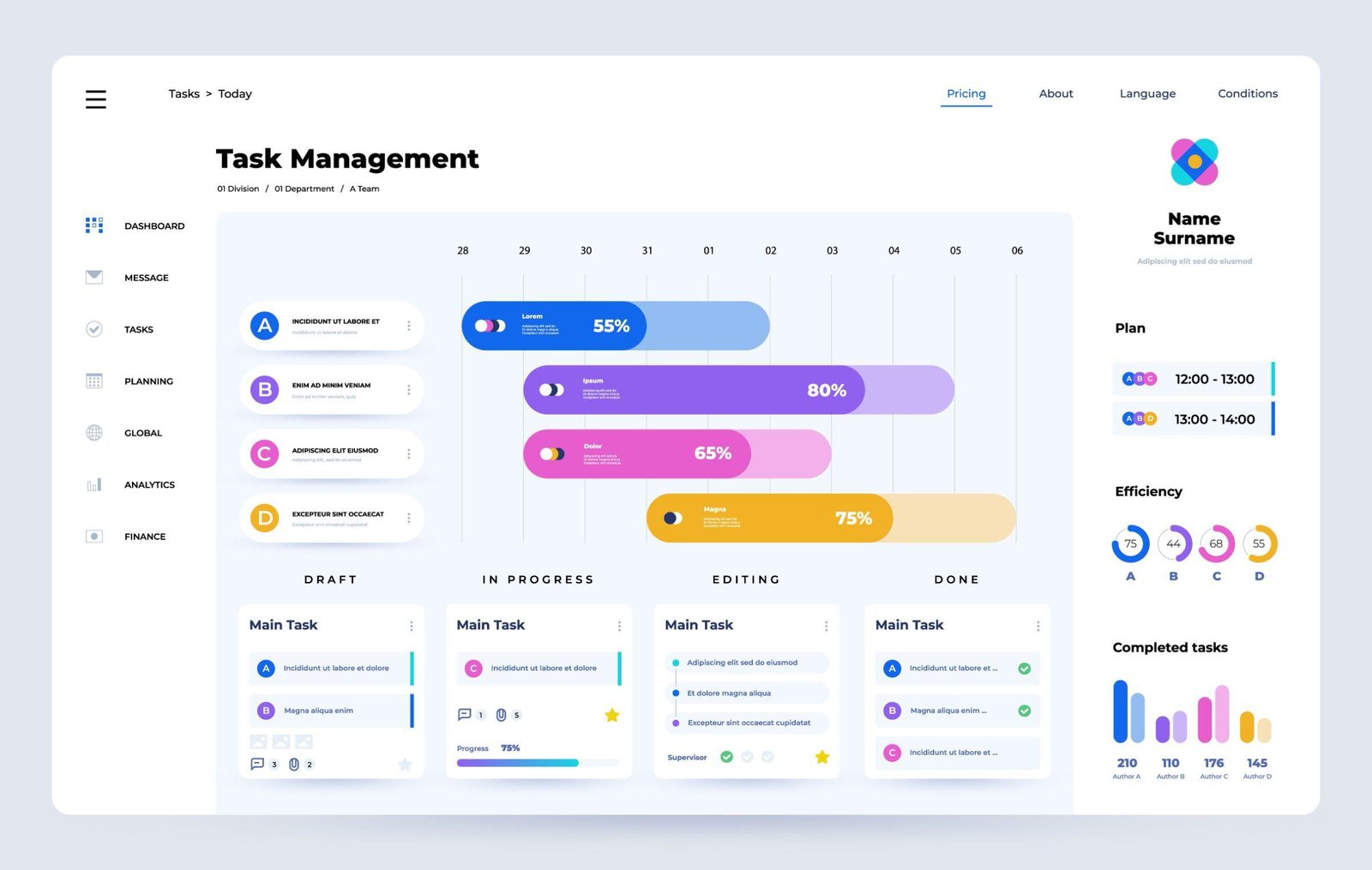
Without proper maintenance, productivity apps can become cluttered over time.
Future of Productivity Apps
The future of productivity applications will be strongly influenced by artificial intelligence and automation. These tools will become smarter and more personalized.
Future productivity apps may understand user habits and automatically suggest better ways to manage time and tasks.
AI-Powered Personal Assistants
Future productivity apps will likely include advanced AI assistants that can organize schedules, prioritize tasks, and provide personalized recommendations.
These assistants may help users decide what tasks require attention and how to complete work more efficiently.
More Automation Features
Automation will continue to improve productivity by reducing repetitive tasks.
Future apps may automatically organize information, create reports, schedule activities, and manage workflows.
Productivity Apps for Students, Beginners, and Businesses
Productivity apps are useful for different types of users because they help organize work and improve efficiency.
Students, beginners, and businesses can all benefit from using digital productivity solutions.
For Students
Students can use productivity apps to organize assignments, create study schedules, manage notes, and track academic goals.
These tools help students stay organized and improve their learning habits.
For Beginners
Beginners can use simple productivity apps to build better planning habits and manage daily responsibilities.
Easy-to-use tools help new users improve organization without requiring advanced skills.
For Businesses
Businesses use productivity apps to manage projects, improve teamwork, and organize company tasks.
These tools help teams communicate better and complete projects more efficiently.
FAQs
Are productivity apps free?
Many productivity apps offer free versions with basic features. Advanced features may require paid subscriptions.
Which productivity app is best for beginners?
Simple apps like Todoist, Google Calendar, and basic note-taking tools are often good choices for beginners.
Can productivity apps improve time management?
Yes, productivity apps can help users organize tasks, set reminders, and create better schedules.
Are AI productivity apps better than traditional apps?
AI-powered productivity apps provide additional features such as automation and smart suggestions, making them more advanced.
Can businesses use productivity apps?
Yes, businesses use productivity apps for project management, communication, scheduling, and teamwork.
Conclusion
Productivity apps have become essential tools for managing modern digital lifestyles. They help users organize tasks, improve time management, and complete work more efficiently.
Applications like Notion, Microsoft OneNote, Trello, and Google Calendar provide powerful solutions for students, professionals, and businesses.
Although productivity apps cannot replace personal discipline, they provide valuable support for building better habits and improving efficiency. As artificial intelligence continues to develop productivity tools will become even smarter and more helpful in managing daily tasks.