
Introduction
Teaching has become more demanding than ever before. Educators are expected to create engaging lesson plans, prepare assignments, assess student performance, communicate with parents, and adapt to both in-person and online learning environments. Managing these responsibilities while maintaining high-quality education can be challenging.
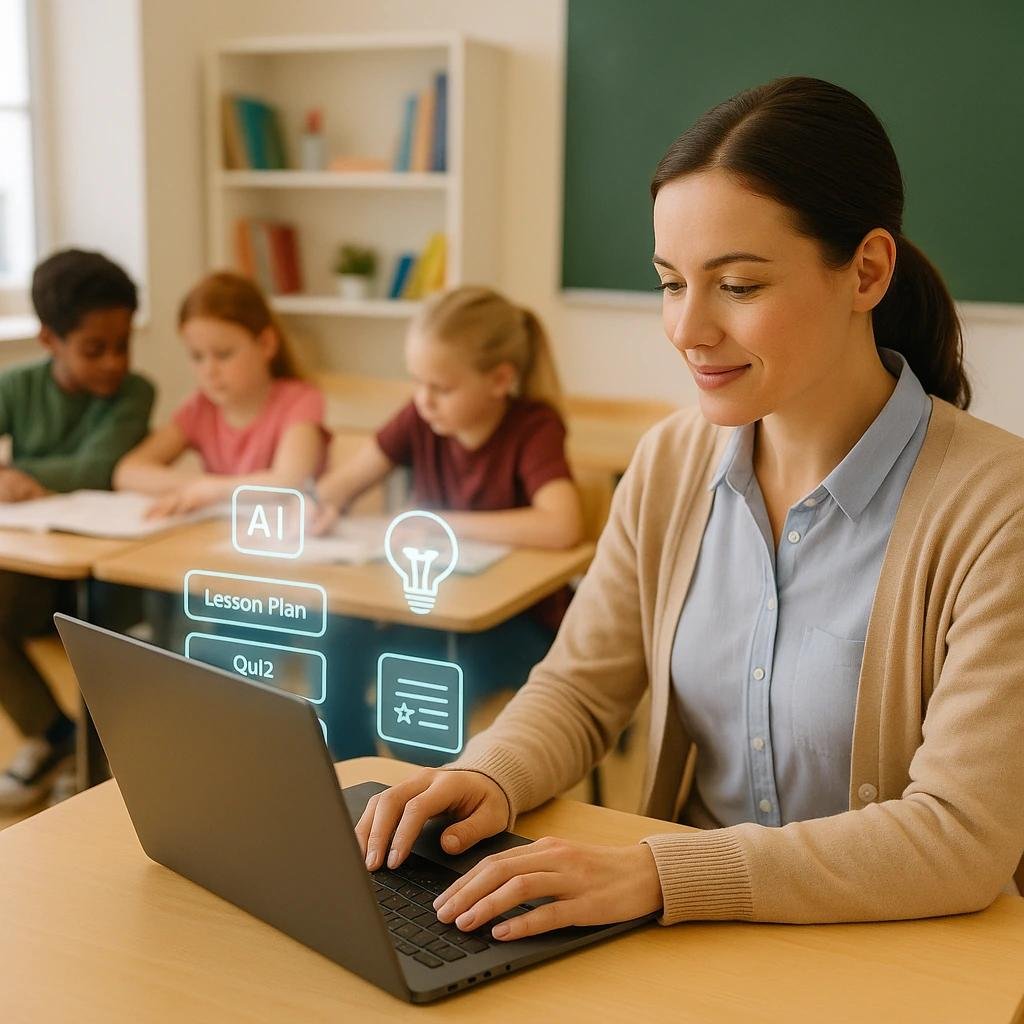
Artificial intelligence is helping teachers simplify many of these daily tasks. AI-powered educational tools can generate lesson plans, quizzes, learning materials, provide personalized feedback, translate content, and even assist with classroom management. Instead of replacing teachers, these technologies help educators spend more time teaching and less time on repetitive administrative work.
AI tools have become valuable companions in modern education. Many schools, colleges, and independent educators now use AI to improve productivity, personalize learning, and create more engaging classroom experiences.
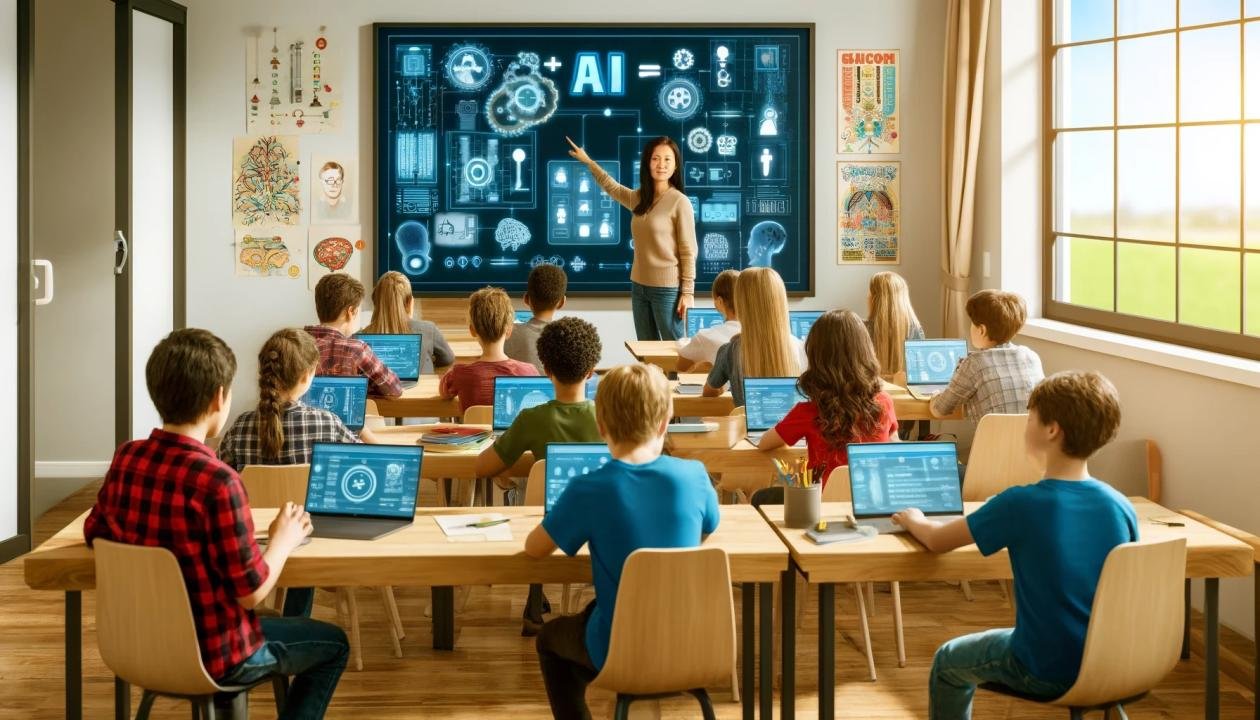
This guide explores the best AI tools for teachers, their benefits, how to choose the right platform, potential limitations, and what the future of AI in education may look like.
What Are AI Tools for Teachers?
AI tools for teachers are software applications that use artificial intelligence to assist educators with planning, teaching, grading, communication, and classroom organization. These platforms analyze information, automate repetitive work, and generate useful educational content within seconds.
Unlike traditional educational software, AI tools continuously improve by learning from user interactions and educational data. They help teachers prepare learning materials more efficiently while supporting different teaching styles and student needs.
Today, AI is being used in schools, universities, online education platforms, and private tutoring because it saves time while improving learning experiences.
How Do AI Teaching Tools Work?
AI teaching tools process user instructions using natural language processing and machine learning. Teachers simply describe what they need, and the software generates lesson plans, worksheets, quizzes, summaries, presentations, or classroom activities.
Some AI platforms also analyze student performance and identify learning patterns. This helps educators understand which students need additional support and which topics require further explanation.
Many tools integrate with cloud storage and learning management systems, allowing teachers to organize educational resources efficiently.
Why Are AI Tools Important?
Modern classrooms often include students with different learning abilities, backgrounds, and educational needs. Preparing personalized learning experiences manually can require significant time and effort.
AI helps teachers create customized educational content quickly while reducing administrative workload. It also supports hybrid and remote learning environments by making educational materials more accessible.
As education continues becoming increasingly , AI tools provide practical solutions that improve both teaching efficiency and student engagement.
Best AI Tools for Teachers
Numerous AI-powered educational tools are available today, each designed to support different aspects of teaching. Selecting the right platform depends on classroom needs, teaching style, and educational objectives.

ChatGPT
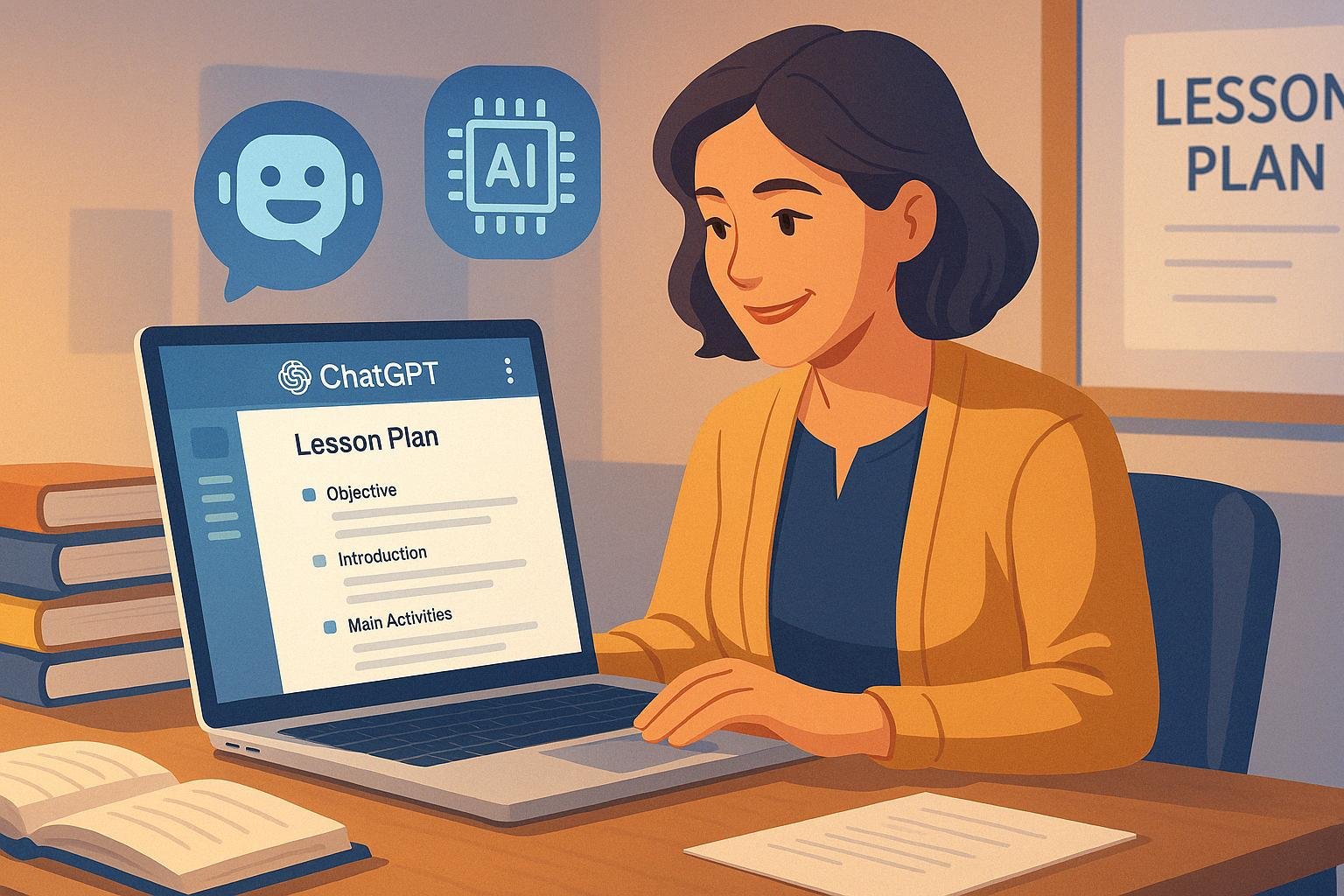
ChatGPT is one of the most versatile AI assistants available for education. Teachers use it to generate lesson plans, classroom activities, discussion questions, worksheets, and educational explanations.
It can also simplify complex topics for different age groups, making learning materials easier for students to understand.
Its conversational interface allows educators to create customized educational content within minutes.
Why Teachers Use ChatGPT
ChatGPT supports a wide variety of classroom tasks, reducing the amount of time teachers spend preparing materials.
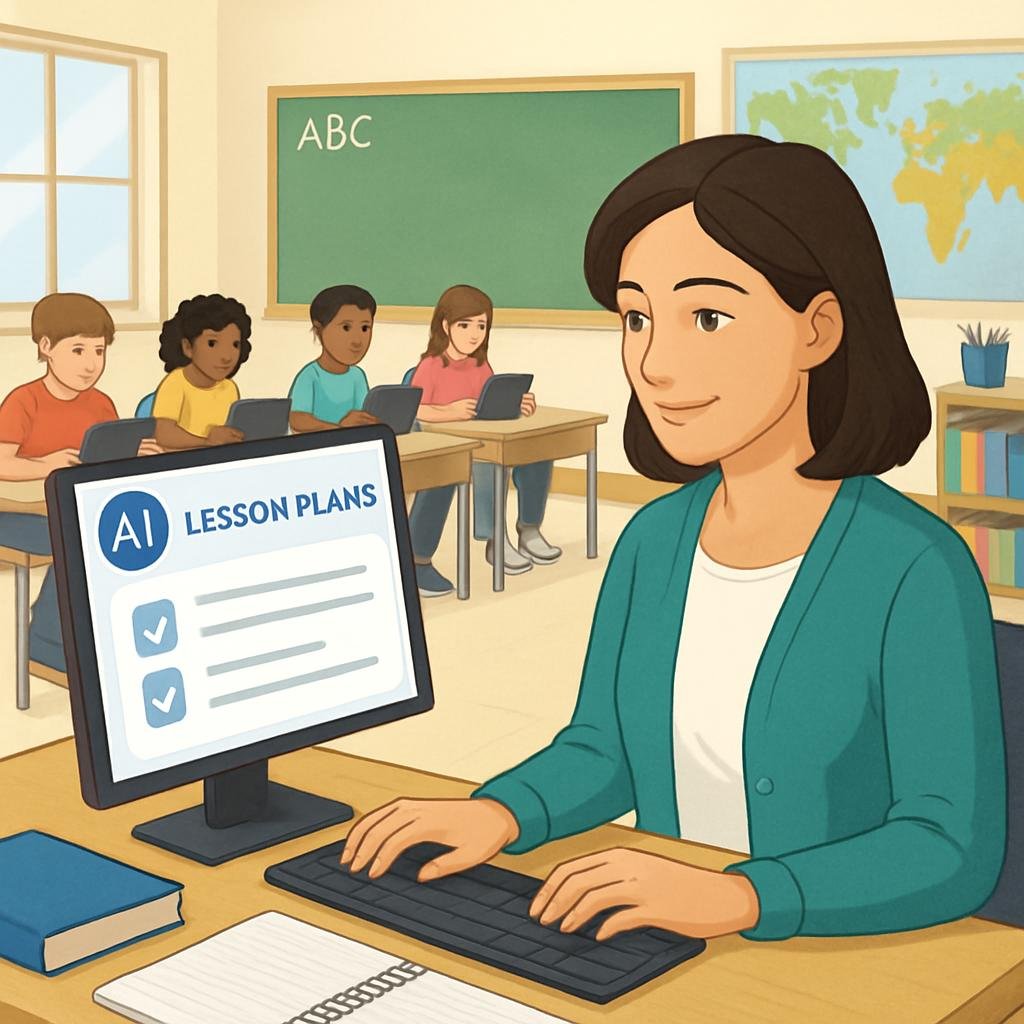
It can also provide multiple teaching approaches for the same topic, allowing educators to adapt lessons for different learning styles.
This flexibility makes it valuable across nearly every subject area.
MagicSchool AI
MagicSchool AI is designed specifically for educators and schools. It provides specialized tools for lesson planning, assessment creation, classroom communication, and educational resource generation.
The platform focuses entirely on supporting teachers, making its features highly relevant to everyday classroom activities.
Many educators appreciate its education-focused approach and easy-to-use interface.
Best Features of MagicSchool AI
MagicSchool AI helps teachers generate differentiated assignments, classroom announcements, student feedback, and learning activities.
Its specialized educational templates reduce preparation time while maintaining instructional quality.
The platform continues expanding its collection of teacher-focused AI tools.
Canva AI
Canva AI helps teachers create visually engaging educational materials, including presentations, worksheets, posters, infographics, certificates, and classroom displays.
Its drag-and-drop interface makes graphic design accessible even for educators with no design experience.
AI-powered design suggestions also improve creativity while saving valuable preparation time.
Why Canva AI Is Useful in Education
Visual learning materials often improve student engagement and understanding. Canva AI simplifies the creation of attractive educational resources without requiring professional design skills.
Teachers can quickly prepare classroom presentations and interactive learning materials.
This supports more engaging and visually appealing lessons.
Grammarly
Grammarly assists teachers by improving written communication, correcting grammar, and enhancing document clarity.
Educators use it when writing emails, lesson plans, reports, feedback, and educational content.
Its writing suggestions help ensure professional and error-free communication.
Benefits for Teachers
Grammarly improves both speed and accuracy when preparing educational documents.
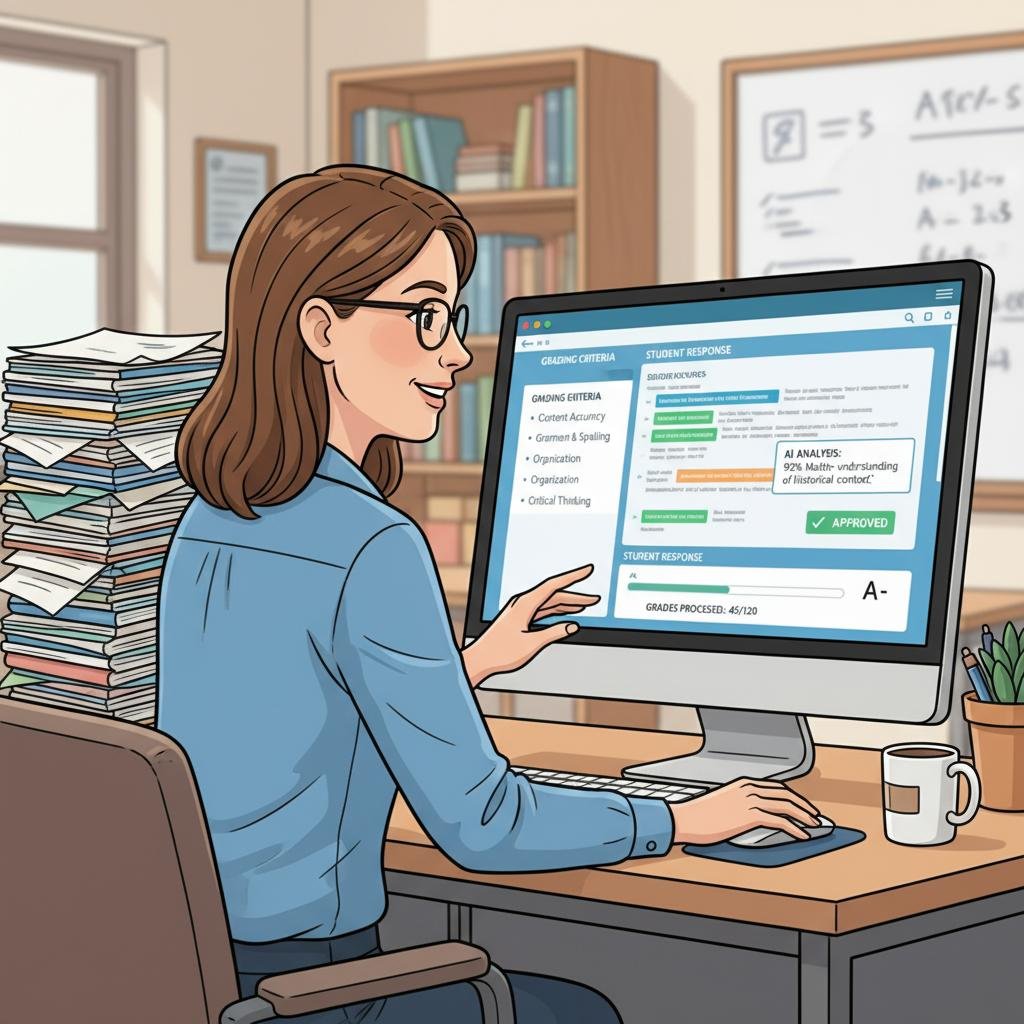
Its tone suggestions also help teachers communicate clearly with students, parents, and colleagues.
Consistent writing quality builds greater professionalism.
Quizizz AI
Quizizz AI helps educators create interactive quizzes, assessments, and classroom games automatically.
Teachers can generate questions from lesson topics, making assessment preparation much faster than creating quizzes manually.
Interactive activities also increase student participation and classroom engagement.
Classroom Advantages of Quizizz AI
Quizizz AI encourages active learning through gamified assessments that make learning more enjoyable.
Instant feedback also helps students identify areas needing improvement.
Teachers receive performance insights that support better instructional planning.
Benefits of AI Tools for Teachers
Artificial intelligence provides numerous advantages for educators by reducing repetitive work while improving lesson quality and classroom efficiency.
Teachers can focus more on student interaction and less on administrative responsibilities.
Save Valuable Preparation Time
AI significantly reduces the time required to prepare lesson plans, worksheets, presentations, and classroom activities.
Instead of creating materials from scratch, teachers can generate high-quality resources within minutes.
This allows more time for personalized instruction and student support.
Improve Student Engagement
AI tools help teachers create interactive lessons using quizzes, visual presentations, discussion activities, and multimedia resources.
Engaging content encourages greater student participation and improves knowledge retention.
Interactive learning also makes classrooms more enjoyable.
Support Personalized Learning
Students learn at different speeds and have different educational needs.
AI allows teachers to create customized assignments and learning materials that better match individual student abilities.
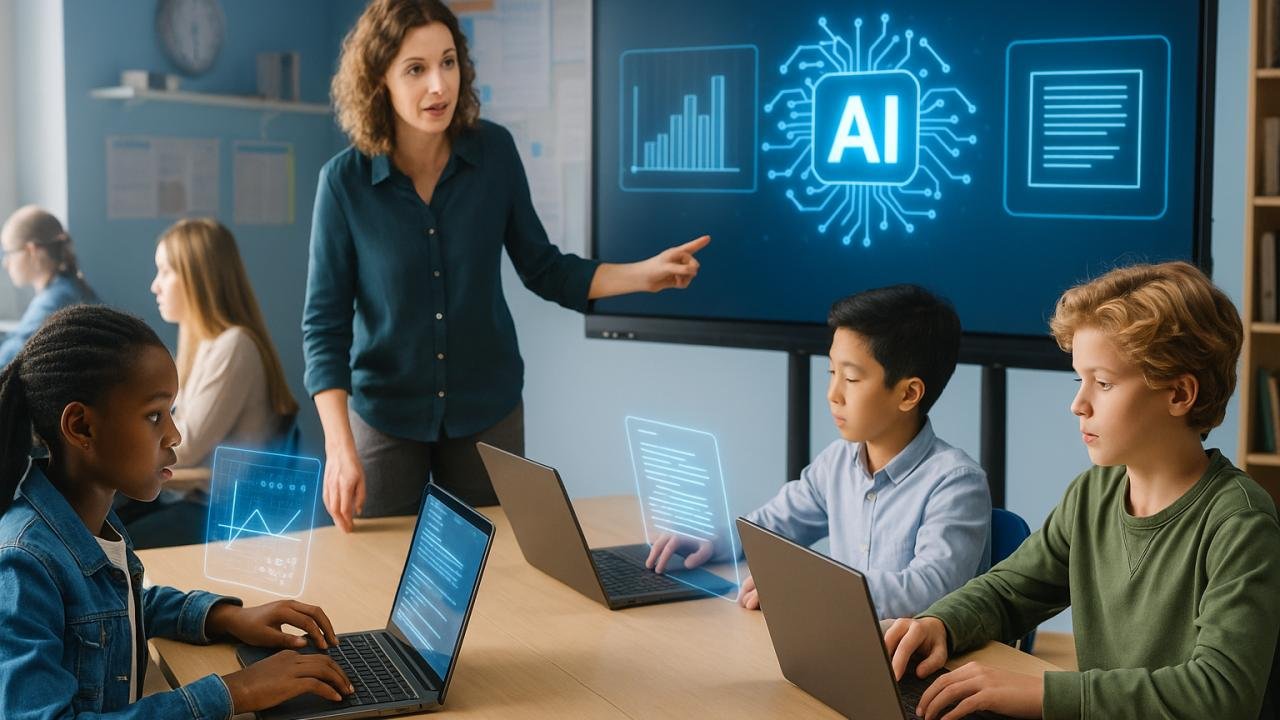
Personalized education improves learning outcomes for many students.
How to Choose the Right AI Tool
Selecting the right educational AI platform depends on your teaching style, classroom environment, and instructional goals.
Understanding your priorities helps ensure you choose software that genuinely improves your workflow.
Identify Your Teaching Needs
Some educators primarily need lesson planning assistance, while others require quiz creation, presentation design, writing support, or classroom management tools.
Choosing software based on your most common tasks provides greater long-term value.
Avoid selecting platforms with features you rarely use.
Consider Ease of Use
Teachers already manage busy schedules, so AI software should simplify work rather than create additional complexity.
User-friendly interfaces reduce training time and encourage regular use.
Simple tools often provide the greatest productivity improvements.
Compare Features and Pricing
Many educational AI tools offer both free and premium plans.
Comparing available features, classroom limits, collaboration options, and subscription costs helps teachers make informed decisions.
Schools should also consider long-term scalability before adopting new platforms.
Limitations of AI Tools for Teachers
Although AI provides valuable educational support, it cannot replace the experience, empathy, and judgment of skilled educators.
Understanding these limitations encourages responsible AI use in education.
AI Cannot Replace Human Teaching
Artificial intelligence can generate educational materials but cannot build meaningful relationships with students or fully understand classroom dynamics.
Teachers remain responsible for adapting lessons, motivating learners, and supporting emotional development.
Human interaction continues to be the foundation of quality education.
Accuracy Requires Human Review
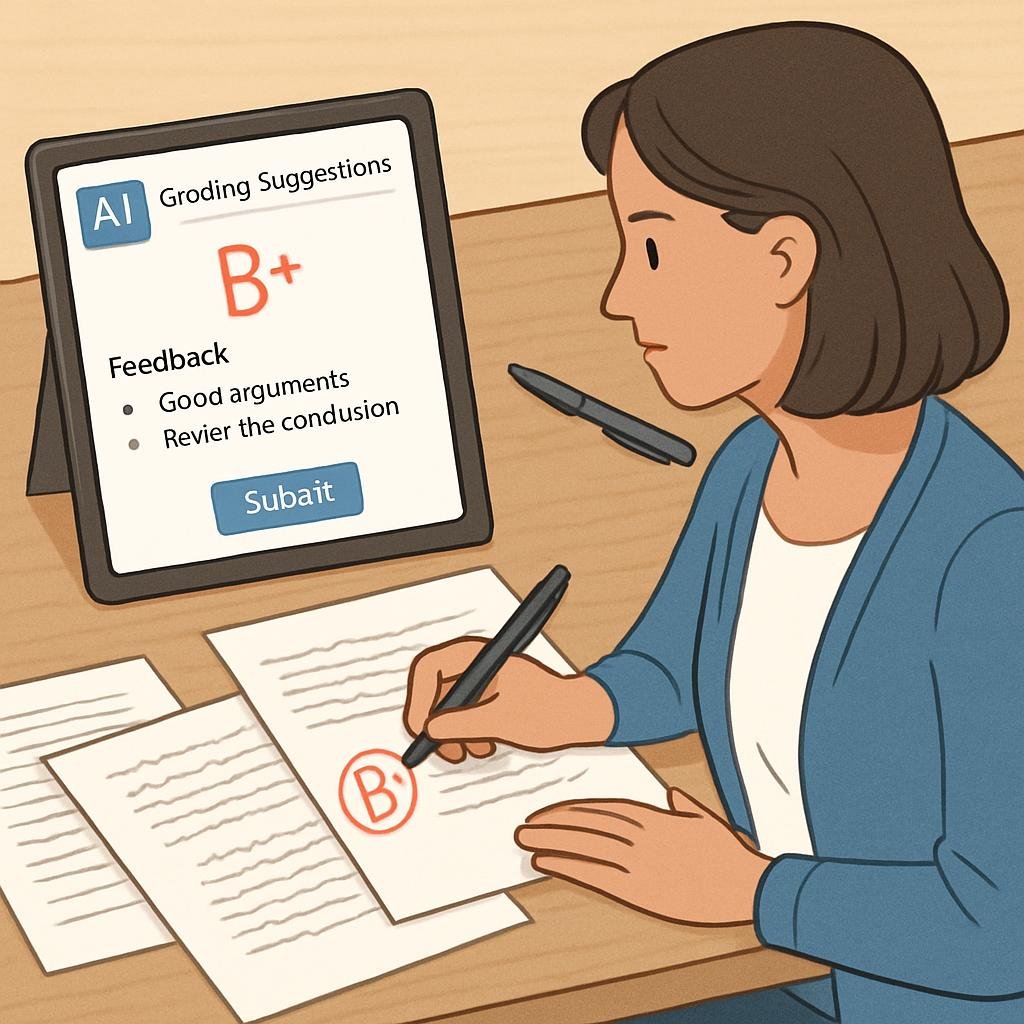
AI-generated lesson plans, explanations, and assessments should always be reviewed before classroom use.
Occasionally, AI may produce incomplete or inaccurate information.
Teacher oversight ensures educational quality and factual accuracy.
Privacy and Student Data
Schools should carefully evaluate how AI platforms handle student information.
Using trusted educational software with strong privacy policies helps protect sensitive educational data.
Responsible data management supports safe technology adoption.
Future of AI in Education
Artificial intelligence will continue transforming classrooms by making education more personalized, interactive, and efficient.
Future educational technology will provide even stronger support for both teachers and students.
Smarter Personalized Learning
Future AI systems will adapt educational content automatically based on each student’s learning progress and performance.
This personalized approach will help students receive instruction that matches their individual needs.
Teachers will gain deeper insights into classroom performance.
More Intelligent Classroom Assistance
AI assistants will increasingly help manage classroom administration, grading, attendance, scheduling, and educational planning.
Automation will reduce administrative workload while improving teaching efficiency.
Educators will have more time to focus directly on learning.
AI Tools for New Teachers, Experienced Educators , and Schools
Different educators benefit from AI in different ways depending on their experience and teaching environment.
Selecting appropriate tools helps maximize educational value.
For New Teachers
New teachers can use AI to prepare lesson plans, classroom activities, and educational materials more confidently.
These tools reduce preparation stress while supporting professional development.
AI also provides creative teaching ideas that build classroom confidence.
For Experienced Educators
Experienced teachers can use AI to streamline administrative work and explore innovative instructional approaches.
Automation allows more focus on mentoring students and improving classroom engagement.
AI supports continuous teaching improvement.
For Schools
Schools can implement AI across multiple classrooms to improve collaboration, resource sharing, and instructional consistency.
Educational institutions also benefit from centralized planning and better learning analytics.
This supports long-term educational improvement.
FAQs
Are AI tools useful for teachers?
Yes. AI tools help teachers save time, prepare lessons, create assessments, improve communication, and personalize learning experiences.
Which AI tool is best for lesson planning?
ChatGPT and MagicSchool AI are among the most popular tools for generating lesson plans and educational activities.
Can AI create quizzes for students?
Yes. Platforms like Quizizz AI can automatically generate quizzes and classroom assessments from lesson topics.
Do teachers need technical skills to use AI?
No. Most modern educational AI tools are designed with simple interfaces that require little technical experience.
Can AI replace teachers?
No. AI supports teachers by automating repetitive tasks, but human instruction, guidance, and classroom interaction remain essential.
Conclusion
Artificial intelligence has become an important resource for modern educators by simplifying lesson planning, assessment creation, classroom communication, and educational content development. Rather than replacing teachers, AI helps them spend more time engaging with students and less time handling repetitive administrative work.
Tools such as ChatGPT, MagicSchool AI, AI, Grammarly, and Quizizz AI provide practical solutions for different teaching needs. Whether preparing lessons, creating classroom presentations, improving written communication, or designing interactive assessments, these platforms help educators work more efficiently.
AI technology continues to evolve, teachers who thoughtfully integrate these tools into their classrooms will be better equipped to create engaging learning experiences, support diverse student needs, and adapt to the future of education.